
Pest Library
Floodwater MosquitoesAedes vexans
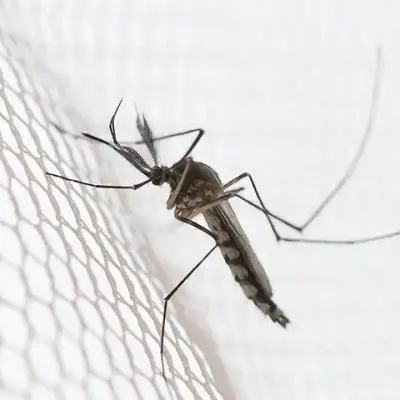
One of the most widespread mosquito species in the world and in New England, Aedes vexans mosquitoes are brownish with a narrowing abdomen and thin white leg bands. Females feed on larger hosts like people and livestock.
Are Floodwater Mosquitoes Dangerous?
The good news is that Aedes vexans mosquitoes are less likely to transmit disease than other species. The bad news: they're aggressive human biters. Any contact with a mosquito should stay minimal — the risk of a pathogen is low but not zero, and scratching bites can lead to secondary infection.
These are "floodwater" mosquitoes — they lay eggs on moist soil above the waterline, and the eggs stay dormant but viable for years until water rises, which is exactly why they're so hard to control long-term.
Where Floodwater Mosquitoes Breed
Properties near ponds, marshes, low-lying areas, ditches, and flood plains see the most activity from this species. In warm conditions, they go from egg to adult in about a week. Tap a spot below to see the risk.
Tap any glowing spot to see how it breeds mosquitoes and how to fix it.
Don't let mosquitoes dictate for another day when you can spend time in your backyard. Partner with Mosquito Busters to keep your property protected from Aedes vexans mosquitoes and other outdoor pests.
Through our traditional or all-natural treatment methods and specially trained technicians, we'll dramatically reduce the number of mosquitoes breeding and feeding in your yard. To learn more about our effective mosquito control services in Massachusetts or New Hampshire, give us a call today!
- Cut back wooded areas from the perimeter of your property.
- Cut back shrubs, bushes, and overgrown trees to reduce resting spots.
- Keep your lawn mowed short.
- Make sure your yard has good drainage, and level and fill in low-lying areas that collect rainwater.
- Make sure your home's gutters and downspouts direct rainwater away from the outside of your home.
- Keep mosquitoes out of your house with secure window and door screens and weatherstripping.
Learn more about our quality all-natural pest control products in Massachusetts and New Hampshire.