
Pest Library
Lone Star Ticks
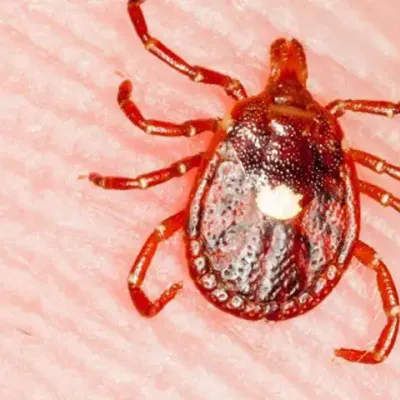
Once known mainly in the southeastern U.S., lone star ticks have made their way up the East Coast and now live throughout New England. They grow to about half an inch, are brown with a bright white spot on their back, and turn slate gray once engorged with blood.
Are Lone Star Ticks Dangerous?
Ticks transmit diseases to people and animals, and the lone star tick is no exception. They're most well-known for transmitting STARI (Southern Tick-Associated Rash Illness). Symptoms include a rash, fever, muscle pain, and weakness.
Limiting your contact with lone star ticks and other tick species is important to your family's health and safety. The more rural an area you live in, the more likely you are to run into them — they travel with wild animals and stray pets, and people bring them home after time in infested outdoor spaces.
Where Ticks Wait in Your Yard
Lone star ticks don't burrow or nest — they wait in vegetation for a host to brush past. Wooded edges, tall grass, and leaf litter are their favorite ambush points. Tap a zone below to see the risk and the fix.
Tap any glowing zone to see the tick risk there and how to reduce it.
Ticks are a huge concern for property owners in New England, as they unfortunately thrive in our region. Partner with Mosquito Busters to keep your property protected from lone star ticks and other outdoor pests, so you can enjoy your backyard without the worry of being bitten.
Through our affordable, effective tick control methods and specially trained technicians, we can significantly reduce your contact with ticks. To learn more about our reliable tick control services in Massachusetts or New Hampshire, give us a call today!
- After walking outside or spending time in wooded areas, always check yourself and your pets carefully for ticks.
- When walking on wooded trails, stay at the center of the path.
- Keep the grass in your yard short.
- Remove piles of grass or leaves from your yard where ticks like to hide.
- Cut tall grass back away from fence lines, porch steps, and your home's foundation.
- Place pets on a tick preventative program under the guidance of their veterinarian.
- Create a barrier between any wooded areas or fields and your yard.
- Regularly harvest garden areas to make your yard less attractive to foraging wild animals.
Learn more about our quality all-natural pest control products in Massachusetts and New Hampshire.